
Well, well, well. Leave it to Mercedes-Benz to build an electric car that can’t actually be charged in most places. It seems the engineers in Stuttgart have learned absolutely nothing from the last decade of EV development and have decided that their shiny new CLA electric sedan should only work with charging stations that barely exist.
Yes, ladies and gentlemen, in what has to be the most baffling decision since Netflix thought “Cuties” was a good idea, Mercedes has confirmed that their new CLA EV can only be charged at 800-volt DC fast charging stations. Not 400-volt stations, which make up roughly 99% of the fast-charging infrastructure in the United States. Just the fancy new 800-volt ones, which are about as common as unicorn sightings.
This is like building a petrol car that can only be filled up at Shell stations that have a barista and a chandelier in the bathroom. Sure, they might exist somewhere, but good luck finding one when you’re running on fumes in the middle of Nebraska.
The charging equivalent of shooting yourself in both feet
The problem first came to light when a Norwegian EV enthusiast posted a screenshot from Mercedes’ website stating that the CLA EV can only use 800-volt DC fast chargers and that the car’s navigation system will only route drivers to compatible stations. This seemed so monumentally stupid that journalists at InsideEVs felt compelled to check with Mercedes directly, assuming there had been some kind of translation error. But no! Mercedes confirmed the limitation, with a spokesperson actually having the gall to say, “We consciously rely exclusively on pure 800-volt charging technology, where we do not have to make any compromises in charging performance.”
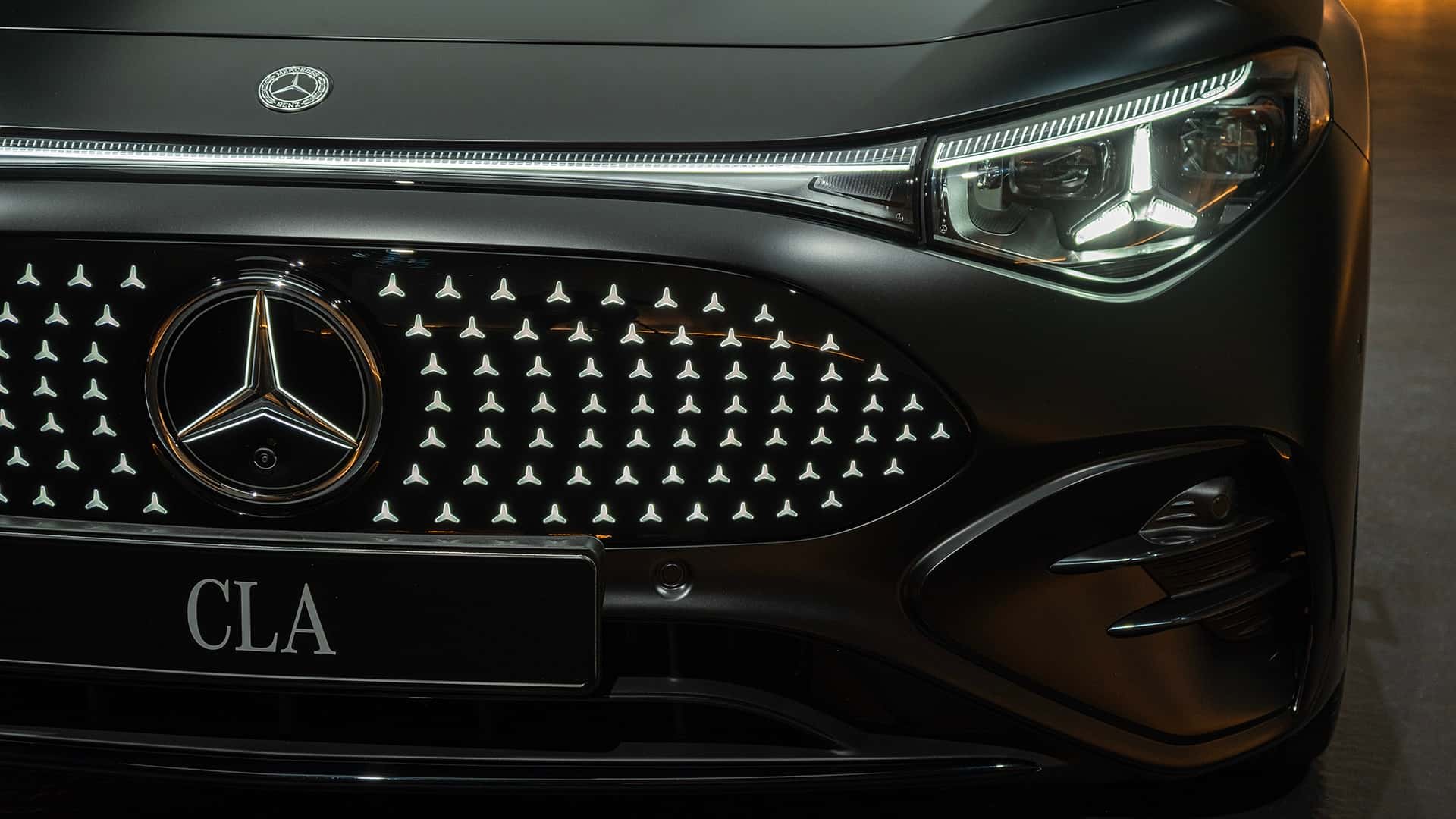
Translation: “We’ve built a car that can charge really quickly at stations that don’t exist so that we can brag about theoretical charging speeds that you’ll never actually experience.”
Translation: “We’ve built a car that can charge really quickly at stations that don’t exist so that we can brag about theoretical charging speeds that you’ll never actually experience.”
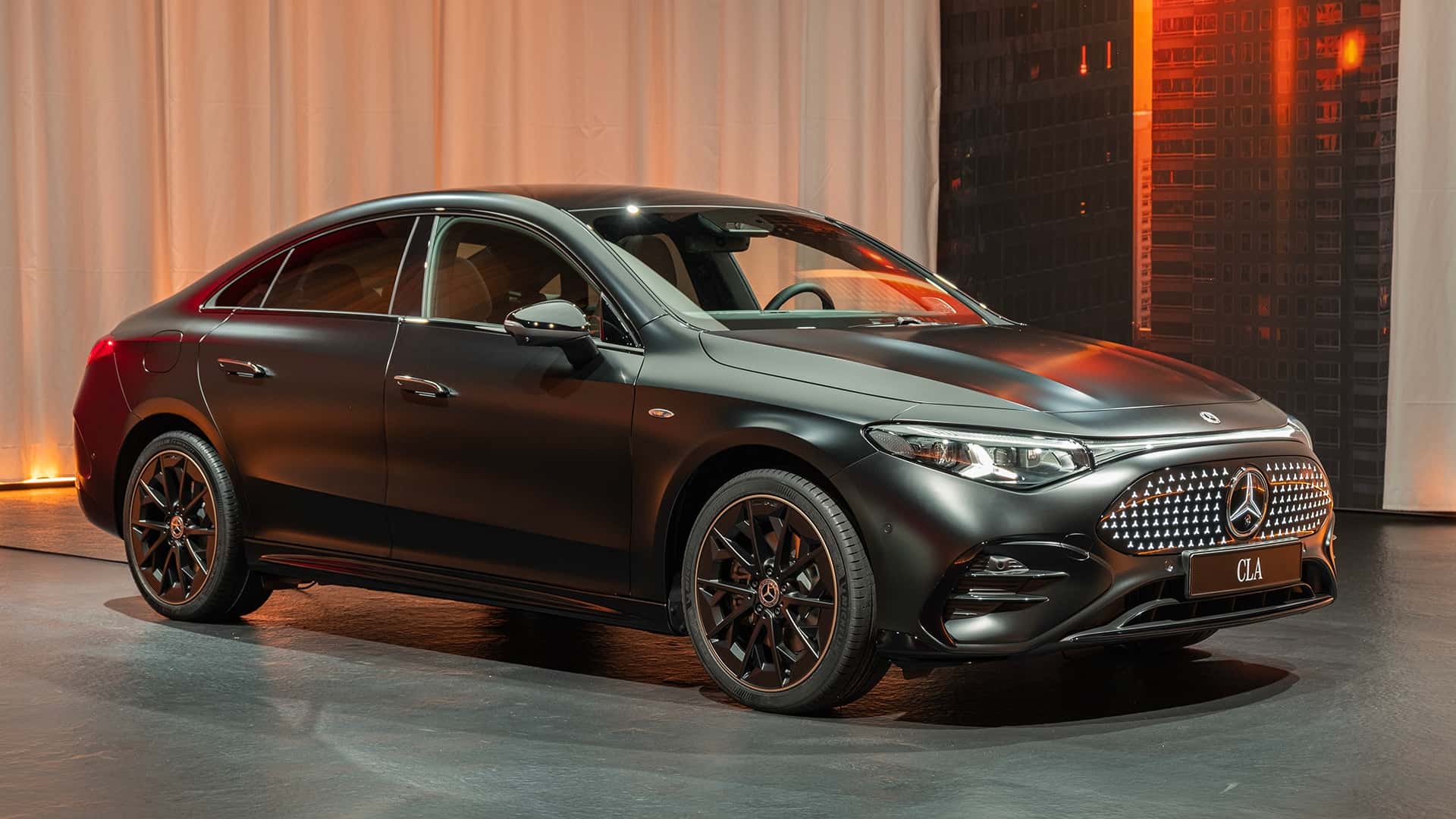
Making road trips an impossibility by design
To add insult to injury, Mercedes has also decided that the CLA’s NACS port, which supports AC charging natively, can’t accept AC on their car. This means that tens of thousands of Tesla Destination Chargers—those handy Level 2 chargers at hotels, restaurants, and attractions—are also off-limits to CLA owners.
Instead, American buyers will have to rely solely on the separate J1772 port for AC charging, making the NACS port about as useful as a chocolate teapot.
And they’ll need a CCS1 adapter to access those few 800-volt stations that do exist, as most of them use the CCS1 standard rather than NACS. A Mercedes spokesperson helpfully pointed out that “the Mercedes-Benz navigation with Electric Intelligence leads to the compatible high-performance chargers, where charging with up to 320kW is possible with the new CLA.” What they failed to mention is that in vast swaths of the country, that “Electric Intelligence” will essentially be saying, “Sorry, mate, you’re completely stuffed. There are no compatible chargers within range.”
Sure, charging networks like Electrify America are investing in 800-volt infrastructure, and eventually, there might be enough stations to make the CLA a viable proposition. But that’s years away, and in the meantime, CLA owners will be stranded with a car that boasts incredible theoretical charging speeds but in practice is less practical for road trips than a horse and buggy. What’s particularly frustrating is that this limitation isn’t a software issue that could be fixed with an update. Mercedes confirmed that it’s a hardware problem, meaning that early adopters are simply stuck with a car that can’t use most of the charging infrastructure in the country.
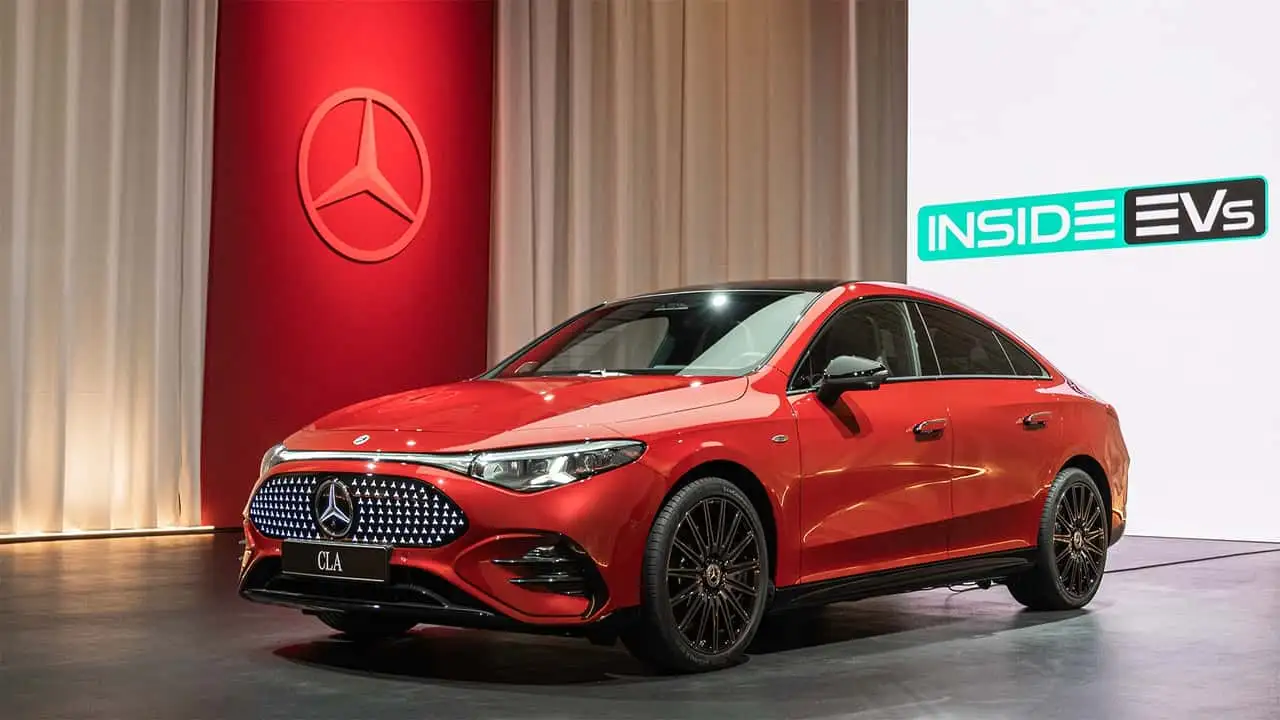
In a world where range anxiety and charging concerns are still the top barriers to EV adoption, Mercedes has somehow managed to make their latest electric car less practical than models from five years ago. It’s like they’ve looked at all the progress made in charging infrastructure and said, “Nah, we’ll pass.” And on that bombshell, if you’re in the market for an electric Mercedes, perhaps wait for one that can actually be charged in places other than the Mercedes showroom and the three 800-volt stations that might exist in your state.
Otherwise, you might find yourself with the automotive equivalent of a phone that can only be charged with a proprietary cable that’s sold exclusively in one shop in Dusseldorf.